
- Print Business Cards in Sugar Land – Same Day Service
- Copying Services
- Document Printing, Finishing & Lamination in Sugar Land
- Flyers
- Print Banner in Sugar Land | Same-Day Banner Printing Near Me
- Graphic Design
- Photo Printing
- Postcard Printing
- Document Printing
- EDDM Full Service Postcards
- FotoZoomer Large Format Printing


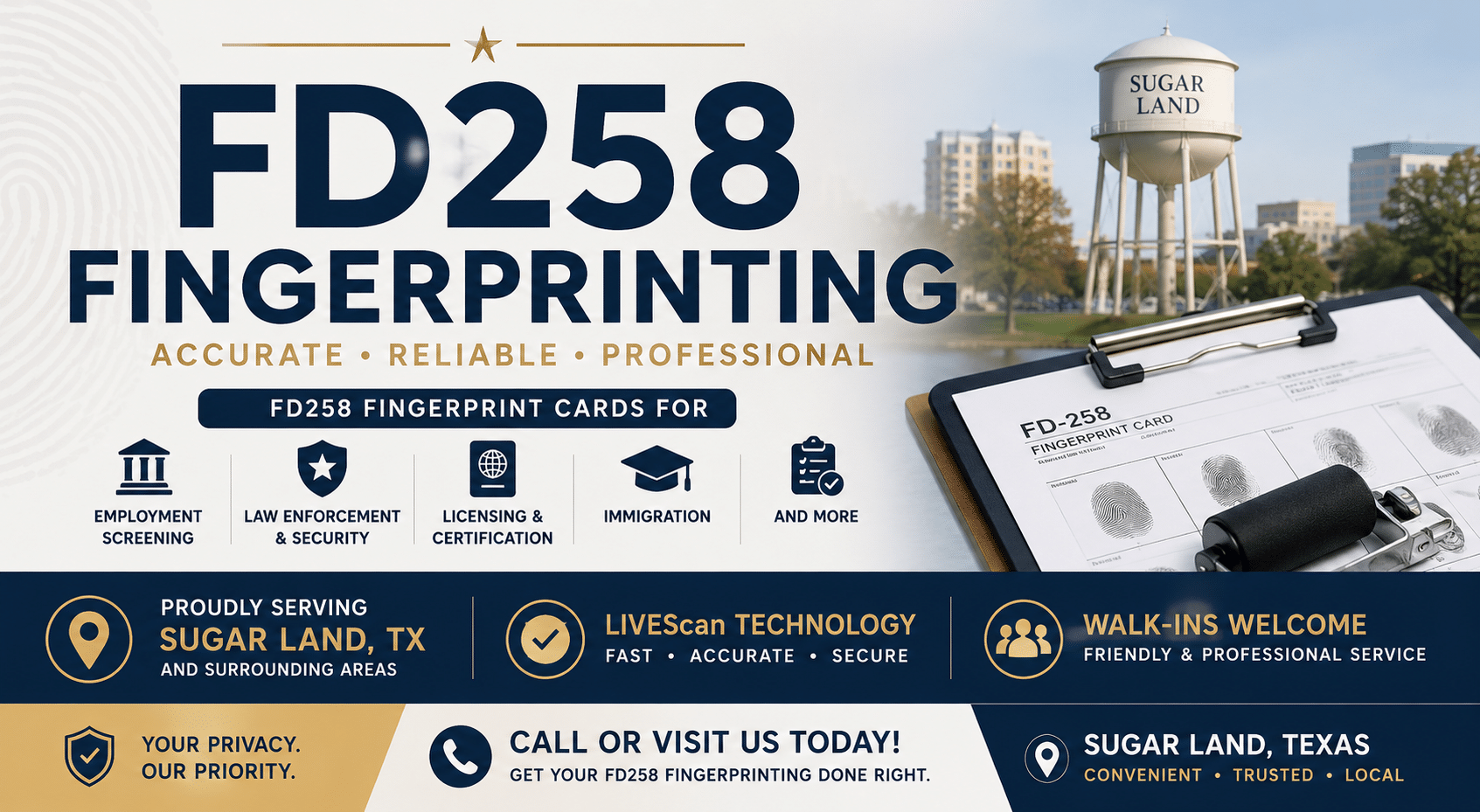
You got a form or email that says you need an FD-258 fingerprint card, and now you’re trying to figure out where to go, what to bring, and how not to get it rejected. That’s usually when people start searching for fd258 card sugar land and realize most guides are too generic to help with the actual paperwork in front of them.
The good news is that this isn’t complicated once you know the failure points. Most problems come from missing fields, bad print quality, or using the wrong information from the requesting agency. If you handle those three things correctly, the process is straightforward.
Table of Contents
- Navigating Your First FD258 Fingerprint Card
- How to Prepare for Your Fingerprinting Appointment
- Where to Get Fingerprinted in Sugar Land
- Understanding the Ink and Roll Fingerprinting Session
- Filling Out Your FD258 Card without Errors
- Troubleshooting Common Rejections and How to Avoid Them
Navigating Your First FD258 Fingerprint Card
Most first-time applicants walk in with the same look. They’ve got a hiring packet, an application checklist, or ATF paperwork, and somewhere in the instructions it says “submit fingerprints on FD-258.” They’re not sure if they need a police department, a shipping store, a live scan service, or a specific card from the agency.
Here’s the practical answer. The FD-258 is the standard FBI applicant fingerprint card. It’s used for background check workflows that still require card-based fingerprints rather than direct electronic submission. What usually throws people off isn’t the printing itself. It’s the combination of agency instructions, abbreviations like ORI, and the worry that one small mistake will delay everything.
In Sugar Land, that concern makes sense. Fingerprint-based checks are tied to a wide range of licensing and screening requirements, and Texas handles a high volume of them. In this area, the card matters because fingerprint checks are required for 28 professional categories under Texas DPS, and the state processed over 1.2 million submissions in 2022 according to this Sugar Land fingerprinting overview.
Practical rule: Don’t treat the FD-258 like simple paperwork. It’s a scan-dependent form. Clean prints and correct data matter equally.
If you’re dealing with your first card, the fastest way through it is to prepare the right documents, use a technician who knows card work, and review every field before it gets mailed.
How to Prepare for Your Fingerprinting Appointment
Walking in prepared saves time, but it also prevents the kind of mistakes that don’t show up until the card reaches the agency.
What the card is actually for
The FD-258 records rolled and flat impressions of all ten fingers plus applicant details like name, date of birth, place of birth, height, weight, eye color, hair color, race code, citizenship, and optional Social Security number, as shown in the official FBI card completion guide. If one field is wrong, or one print is too light, the whole submission can stall.

What to bring before you leave home
Use this checklist. It avoids most of the avoidable problems.
- Government photo ID: Bring a current ID such as a driver’s license or passport. The name on your ID should match the name being used for the background check.
- Agency instructions: If the requesting agency sent a form, email, packet, or cover sheet, bring it. This is often where the ORI appears.
- Correct ORI information: The ORI is the Originating Agency Identifier. It tells the receiving system who requested the prints and where the results belong. If that number or code is wrong, the card can be processed incorrectly even if the fingerprints are perfect.
- Your residential address: Use your street address. Don’t assume you’ll remember every line exactly while standing at the counter.
- Personal details in the required format: Some fields use coded or compressed formats. Height is entered as a three-digit number. For example, 5’04” is entered as 504.
- Clean hands: Wash and dry your hands before the appointment. Skip lotion right before printing. Too much moisture or residue can interfere with the ink transfer.
- Reading glasses if you need them: Small boxes, coded fields, and signature areas are where rushed mistakes happen.
A lot of applicants also ask whether they should fill out the card in advance. You can often complete the demographic fields ahead of time if you have the correct instructions, but don’t guess on agency-specific fields. If you aren’t certain about ORI, reason fingerprinted, or other routing information, leave it blank until someone verifies it.
Bring the exact paperwork that triggered the fingerprint request. That single page often matters more than anything else in your folder.
Where to Get Fingerprinted in Sugar Land
If you need an fd258 card sugar land service, the location matters less than the staff’s familiarity with card-based fingerprinting. A lot of places can take fingerprints in some form. Fewer places consistently handle FBI cards, field review, and mailing support without turning it into a scavenger hunt.
What matters more than location alone
People often assume a police department is the default option. Sometimes it is. But hours, residency rules, and service limitations vary, and those details change. For card fingerprinting, what usually matters most is whether the technician can do all of the following in one visit:
| What you need | Why it matters |
|---|---|
| Actual FD-258 card support | Some providers focus on live scan and don’t regularly handle card submissions |
| Ink-and-roll experience | Card quality depends on technique, not just equipment |
| Field review at the counter | Catching a blank or mismatch before you leave is much easier than fixing a rejected packet later |
| Shipping options | Many applicants want the card packed and mailed right away |
A practical local option
One local option is Business Mail Boutique LLC, located at 11645 S Hwy 6, Sugar Land, TX 77498, with contact information listed on the company’s site as 281-875-0161 and info@businessmailboutique.com. The store offers FD-258 fingerprinting and related business-center services in one place, which is useful if you need the card printed, reviewed, and mailed during the same stop. Their product listing for digital fingerprinting on FD258 card in Sugar Land provides the service details.
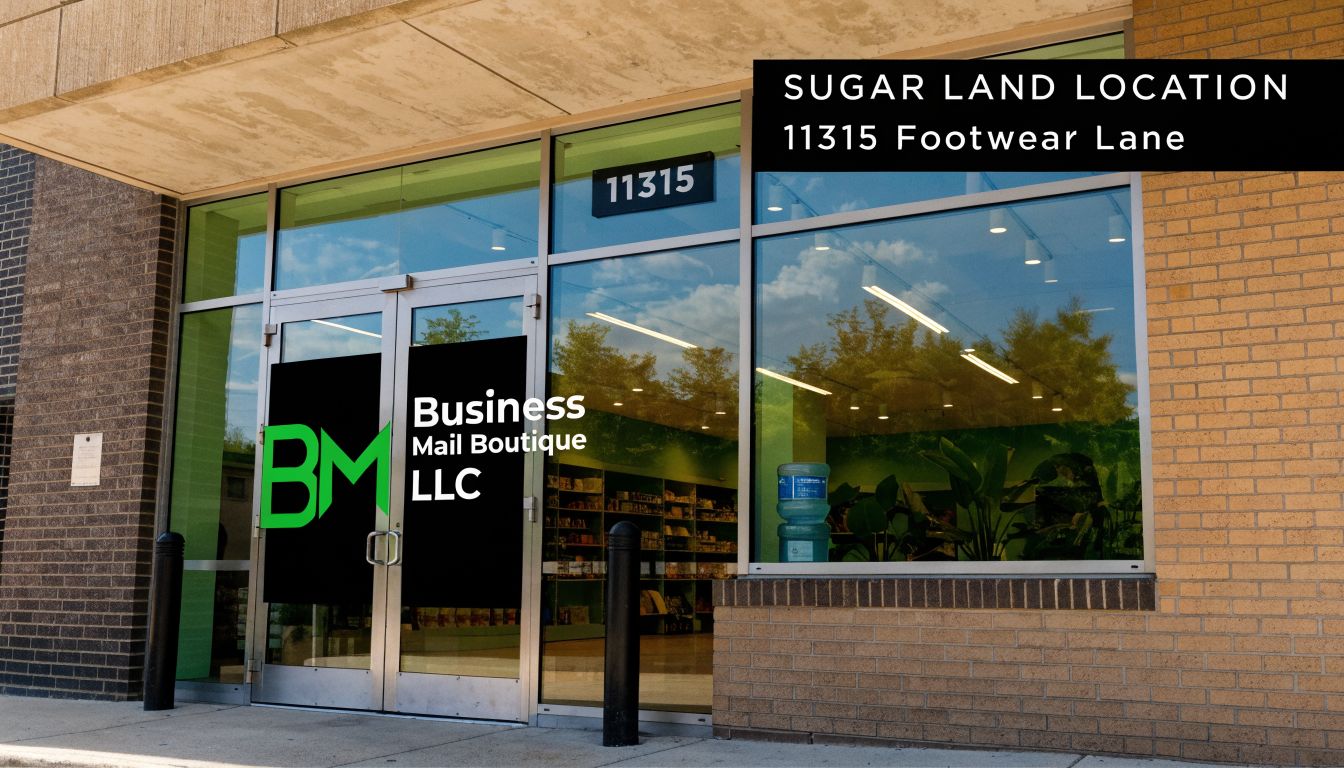
That one-stop setup is usually the difference between a simple errand and a frustrating one. If the technician can review the card, confirm whether key fields are complete, and help you send it securely, you avoid the common “I got the prints done, but now what?” problem.
If you need a paper fingerprint card, choose a place that handles paper cards regularly. Live scan experience alone doesn’t always translate to good ink-and-roll cards.
Understanding the Ink and Roll Fingerprinting Session
If you’ve never done ink-and-roll prints before, the session feels more technical than it is. The technician isn’t just pressing your fingers onto a card. They’re trying to capture ridge detail cleanly, inside tight boxes, in a format the receiving agency can scan and read.
What happens at the counter
The process starts with identity and paperwork review. After that, the technician prepares the card and confirms the information that should appear before and after printing. Then each finger is printed in two ways.
First come the rolled impressions. Each finger is rolled from one side of the nail to the other so the full pattern is captured. After that, the flat or plain impressions are taken by pressing fingers straight down without the full roll.
A trained provider should guide your hand rather than asking you to do it by feel. That’s especially important for applicants with dry skin, worn ridge detail, shaky hands, or nervous movement. If you want a sense of how card-based service works, ink fingerprinting service details in Sugar Land show the type of support applicants usually need.
Why technique matters
Experience shows here. Too much ink fills the ridges. Too little ink makes prints look faint. Twisting during the roll creates smears. Pressing too hard flattens detail.
Good technicians adjust pressure, finger angle, and pace in real time. They also watch for common trouble spots like thumbs that over-ink, pinkies that miss the edge of the box, and flat impressions that don’t line up cleanly.
A normal appointment is brief, but it shouldn’t feel rushed. If it does, that’s usually when avoidable quality problems start.
Filling Out Your FD258 Card without Errors
A clean set of prints can still get rejected if the card is filled out wrong. I see that happen with first-time applicants in Sugar Land more than they expect. The avoidable problems are usually small. A missing ORI, the wrong race code, a nickname instead of the legal name on the ID, or a signature in the wrong box.
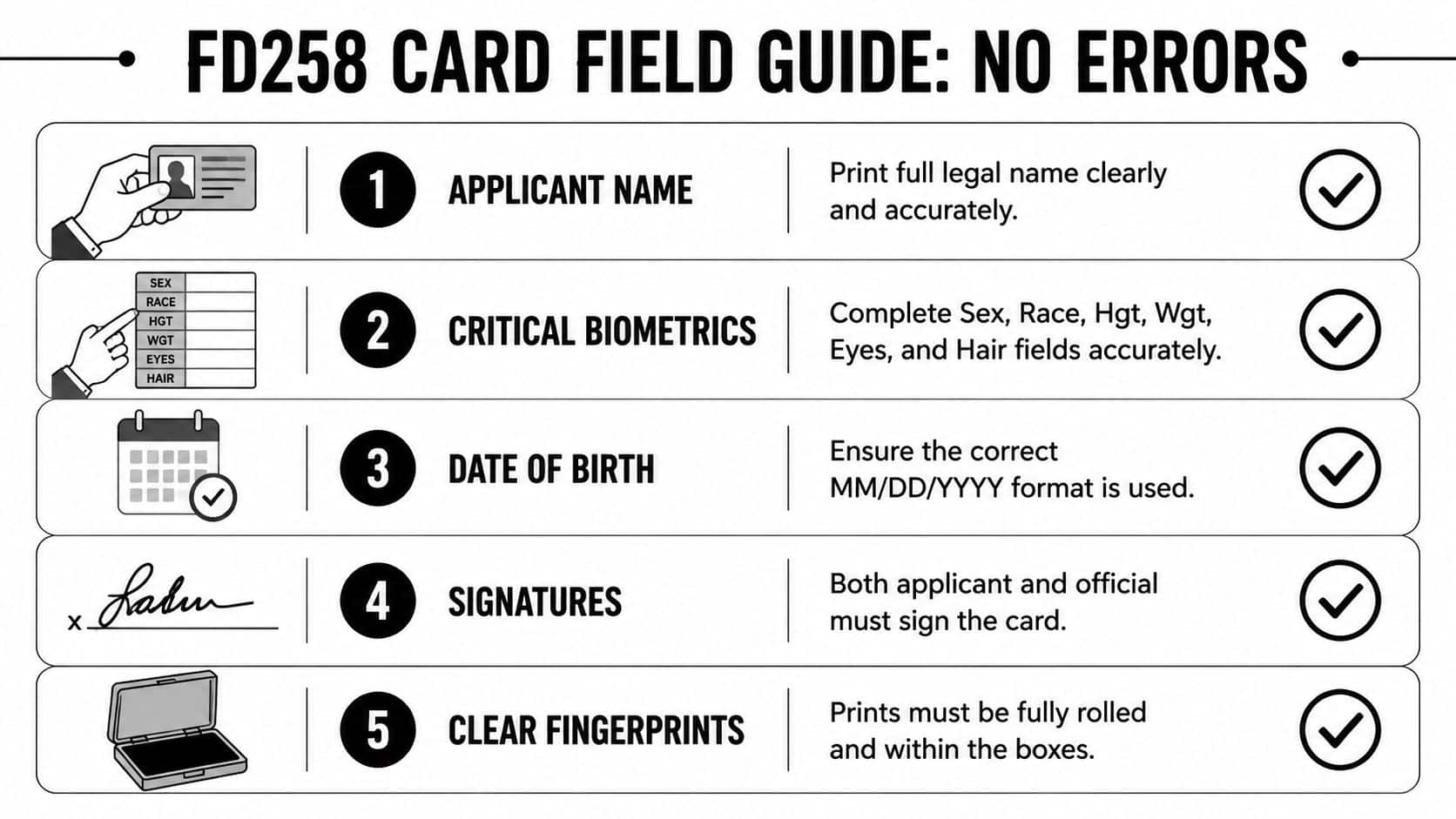
The card has to match the agency’s instructions exactly. If the agency gave you wording, codes, or a specific format, use that version and nothing else. Guessing is what leads to resubmissions.
The fields that cause the most trouble
These are the boxes that deserve a second look before the card leaves the counter.
- ORI: This field causes a lot of trouble because applicants pull it from the wrong document or assume any agency code will work. Use the exact ORI from the requesting agency.
- Name and aliases: Enter your legal name exactly as it appears on the ID and application. If maiden names or aliases are requested, list them the same way they appear in your packet.
- DOB: Follow the format the agency requires. A correct date in the wrong format can still create processing issues.
- POB and citizenship: Write these clearly and avoid casual abbreviations unless the receiving agency specifically allows them.
- Sex, race, height, weight, eyes, hair: These coded fields get misread often. Height is entered in a compact format. For example, 5’04” is entered as 504. Race codes also need to match the accepted FD-258 code set.
- Residence address: If the card asks for residence, use your street address. A mailing address or P.O. Box may not satisfy that field.
- Reason fingerprinted: Use the agency’s exact wording or code if one was provided.
- Applicant signature: Sign only where required. Signing in the wrong block creates unnecessary cleanup.
Applicants in medical and licensing tracks run into this often because their instructions can be very specific. If that applies to you, review these criminal background check requirements for MD students and nurses before the appointment so the card matches the program packet.
Here’s a visual walkthrough if you want to see the card format before your appointment.
Field check: If you are unsure about a code, stop and verify it. A blank box at the counter is easier to fix than a mailed card with the wrong information.
Who fills out what on the card
This part trips people up because they assume either the applicant or the technician handles the whole card.
A safer approach is to split responsibility clearly.
| Applicant side | Technician side |
|---|---|
| Name and personal details | Fingerprint impressions |
| Residential address | Official signature and date taken |
| Applicant signature | Any technician or agency completion fields tied to the printing event |
At Business Mail Boutique, we check the card with the applicant before it is packed up. That extra minute matters. It catches the simple errors that cause the most frustration later.
Mailing the completed card
After the card is done, protect it. Keep it flat, dry, and unfolded. A bent or creased card can create problems even if the prints and fields were completed correctly.
If you are mailing it yourself, use a rigid mailer and tracked shipping. That does not correct a bad card, but it does prevent a separate delay caused by lost or damaged paperwork.
Troubleshooting Common Rejections and How to Avoid Them
You finish the appointment, mail the card, and then lose two or three weeks because the agency rejects it for something preventable. That is the part applicants in Sugar Land usually worry about most, and they are right to worry about it. FD-258 rejections are often tied to small print quality issues or avoidable card errors, not unusual edge cases.
Why cards get kicked back
The two problem areas are print quality and information accuracy.
Smudged rolls, prints that are too light, heavy ink, flat impressions, and fingers that were not rolled nail edge to nail edge can all make a card unusable. I also see rejections tied to cards that looked fine at a glance but had one missed detail, such as a missing signature, an incomplete address, or the wrong ORI entered from outdated instructions.
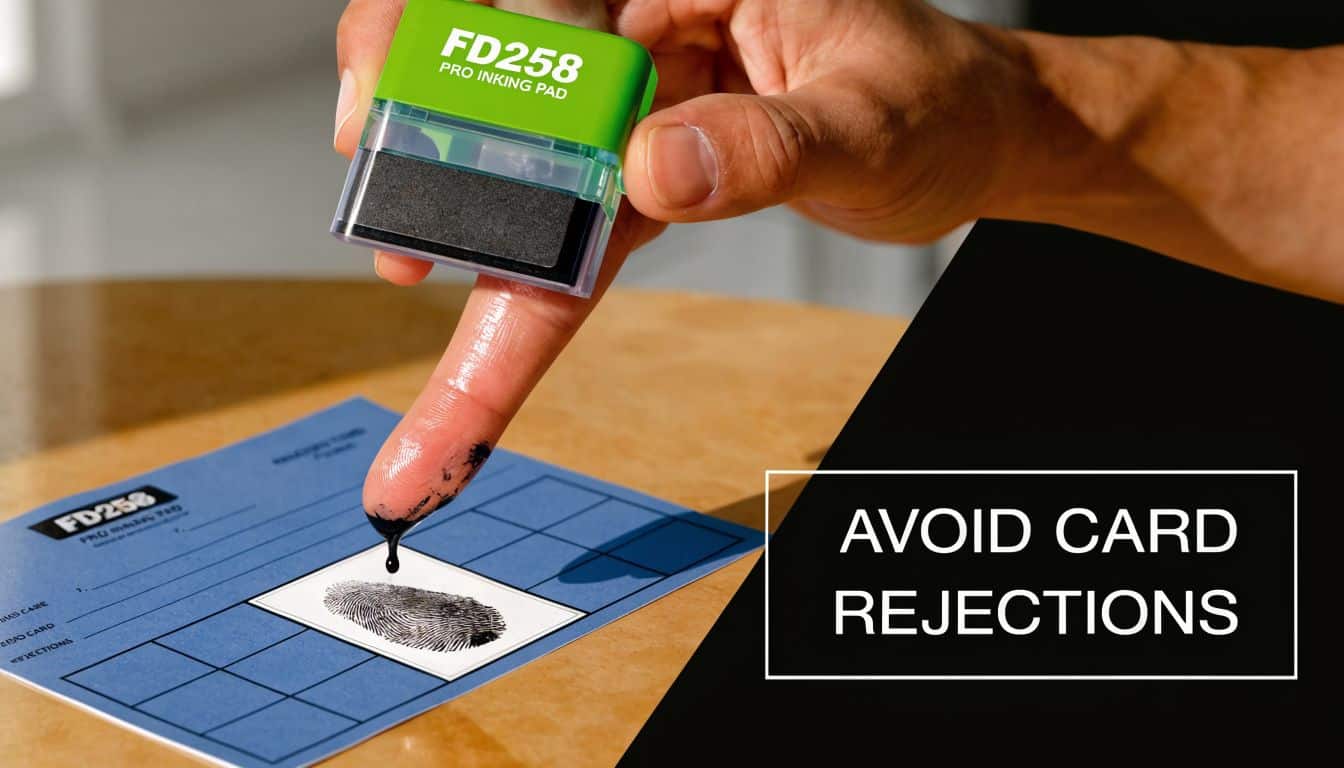
Name mismatches are another common setback. If the ID says one thing and the card says another, the receiving agency may stop the file until it is corrected. The same goes for guessed fields. If an agency instruction sheet is unclear, guessing creates more trouble than leaving the question open and confirming it before the card is submitted.
That is why local applicants who are trying to avoid a second appointment should treat the review step as part of the fingerprinting job, not an extra favor at the counter.
What actually cuts down rejections
Use this order:
- Confirm the agency instructions before the appointment. Check the ORI, reason fingerprinted, and whether the agency wants black ink, specific wording, or extra forms.
- Bring matching ID and paperwork. The card should mirror the identification and the agency packet exactly where required.
- Use a technician who regularly works with FD-258 cards. Card fingerprinting is hand work. Clean rolling technique matters.
- Review every required field before you leave. A one-minute check at the desk is easier than a resubmission through the mail.
- Mail the card so it stays flat and clean. Creases, moisture, and rough handling can ruin a card that was done correctly.
Applicants in nursing, medical training, and other licensed fields also need to match the fingerprint card to the larger screening process. This guide to criminal background check requirements for students and nurses fingerprinting helps clarify what agencies often expect beyond the card itself.
At Business Mail Boutique, the practical goal is simple. Catch the rejection points before the envelope is sealed. That means checking the card against the ID and agency paperwork, making sure the impressions are readable, and stopping to fix errors while the applicant is still standing at the counter.
A cheap appointment turns expensive once you pay for a redo, miss a deadline, or delay a job start date. Bring the instructions, bring valid ID, and do not leave with unanswered questions on the card.

Related posts

How Does a Virtual Address Work? A Clear Guide
How Does a Virtual Address Work
You're probably dealing with one of these problems right now. Your business is new, so your home add...

Custom Engraved Coffee Mugs and Etched Mugs: A Guide
Custom Engraved Coffee Mugs and Etched Mugs: A Guide
You need a mug fast. Maybe it's a retirement gift for someone who's been drinki...
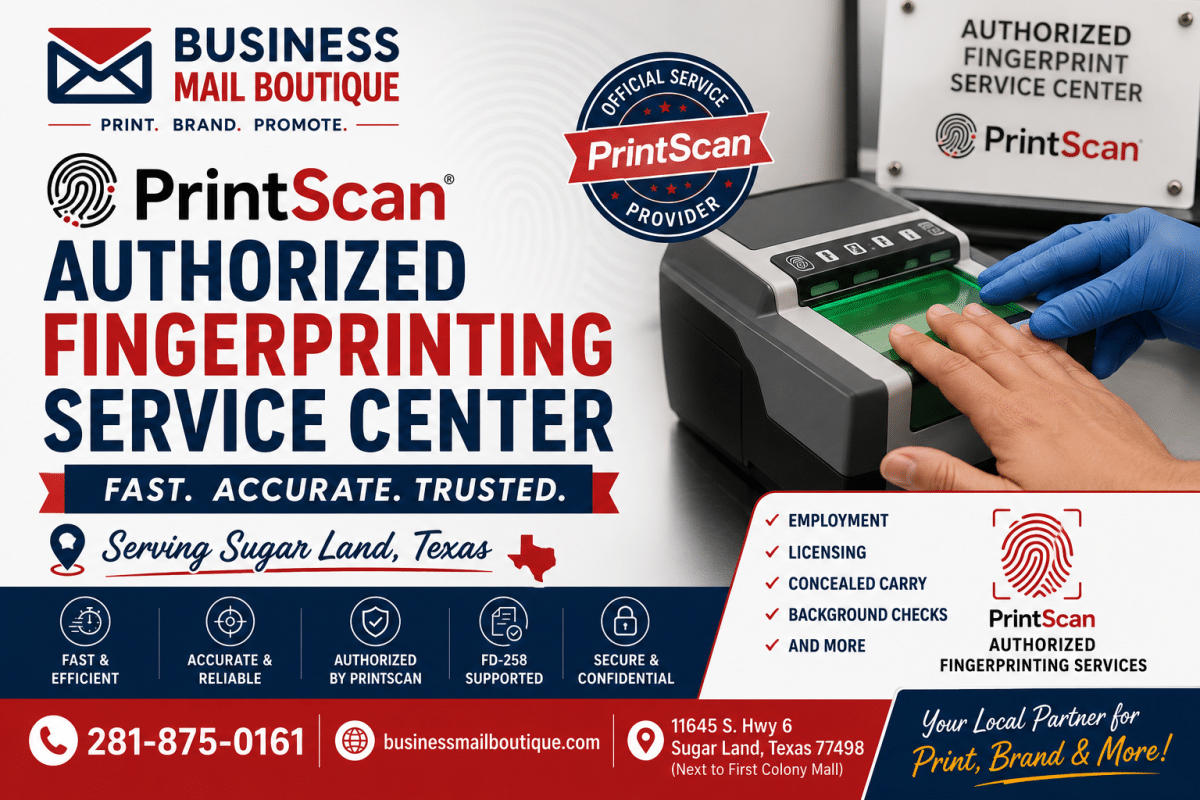
PrintScan Authorized Fingerprinting Service Center Guide
You've probably got a form in one hand and a deadline in the other. A new job wants a background check. A licensing board needs prints....