- Print Business Cards in Sugar Land – Same Day Service
- Copying Services
- Document Printing, Finishing & Lamination in Sugar Land
- Flyers
- Print Banner in Sugar Land | Same-Day Banner Printing Near Me
- Graphic Design
- Photo Printing
- Postcard Printing
- Document Printing
- EDDM Full Service Postcards
- FotoZoomer Large Format Printing


Personalized Engraved Gifts in Sugar Land, TX
Businessmailboutique
11645 S. Hwy 6
Sugar land, Texas 77498 United States (US)
Email: info@businessmailboutique.com
Route
You’ve got the gift idea, but you’re stuck on the part that makes it feel personal. A plain tumbler, cutting board, pen, plaque, or keepsake can look fine on its own. The problem is that “fine” rarely feels memorable.
That’s where engraving on gifts changes the whole result. A name, date, monogram, short message, or clean logo can turn an ordinary item into something people keep, use, and remember. The difference usually isn’t the object itself. It’s the decisions made before the laser ever starts: the material, the artwork, the wording, and how clearly you communicate what you want.
If you’re working with a local engraving service, you don’t need to know how to run the machine. You do need to know how to choose the right item, send usable files, and ask the right questions. That partnership is what gets you from “I need this engraved” to “This came out exactly right.”
Table of Contents
- The Ultimate Guide to Personalized Engraved Gifts
- Choosing the Perfect Item and Material
- Crafting the Perfect Message and Design
- Preparing Your Artwork for Flawless Engraving
- Ordering Locally and What to Expect
- Aftercare Tips for Your Engraved Gift
- Frequently Asked Questions About Gift Engraving
The Ultimate Guide to Personalized Engraved Gifts
Engraving works because it adds permanence. Printed graphics can peel. Temporary labels can shift. A properly engraved gift feels intentional from the start.
That staying power is part of why the practice has lasted for so long. According to this history of engraving, the earliest known evidence dates back approximately 60,000 years ago, when over 100 fragments of engraved ostrich eggshells were found in South Africa’s Howieson’s Poort Shelter. The same source notes that by the Middle Ages, European nobility had popularized monogramming on over 80% of royal gifts such as swords and goblets.
That history matters for a simple reason. People have always used engraving to mark importance, identity, and memory. The tools have changed, but the reason hasn’t.
What customers usually get right and wrong
Most customers do one thing very well. They know who the gift is for and why it matters. That part is easy.
The weak spot is usually execution. The item is chosen before anyone checks whether it engraves cleanly. The text is too long for the space. The “art file” turns out to be a phone screenshot. Those are fixable problems, but they’re much easier to solve before production starts.
Practical rule: The best engraved gifts start with a strong item, a short message, and a file your engraver can actually use.
A good local shop can guide the technical side. A good client brings the details early, stays open to material advice, and asks for a proof when the design is tight or the surface is small.
What a smooth engraving order looks like
A clean project usually follows this path:
- Choose the item based on how it will be used.
- Pick the message and keep it concise.
- Send artwork in a format that holds detail.
- Confirm placement so there’s no guesswork.
- Approve the proof if the design needs review.
- Plan pickup, packing, or shipping if the item is going out as a gift.
That’s the process that keeps engraving on gifts from becoming a gamble.
Choosing the Perfect Item and Material
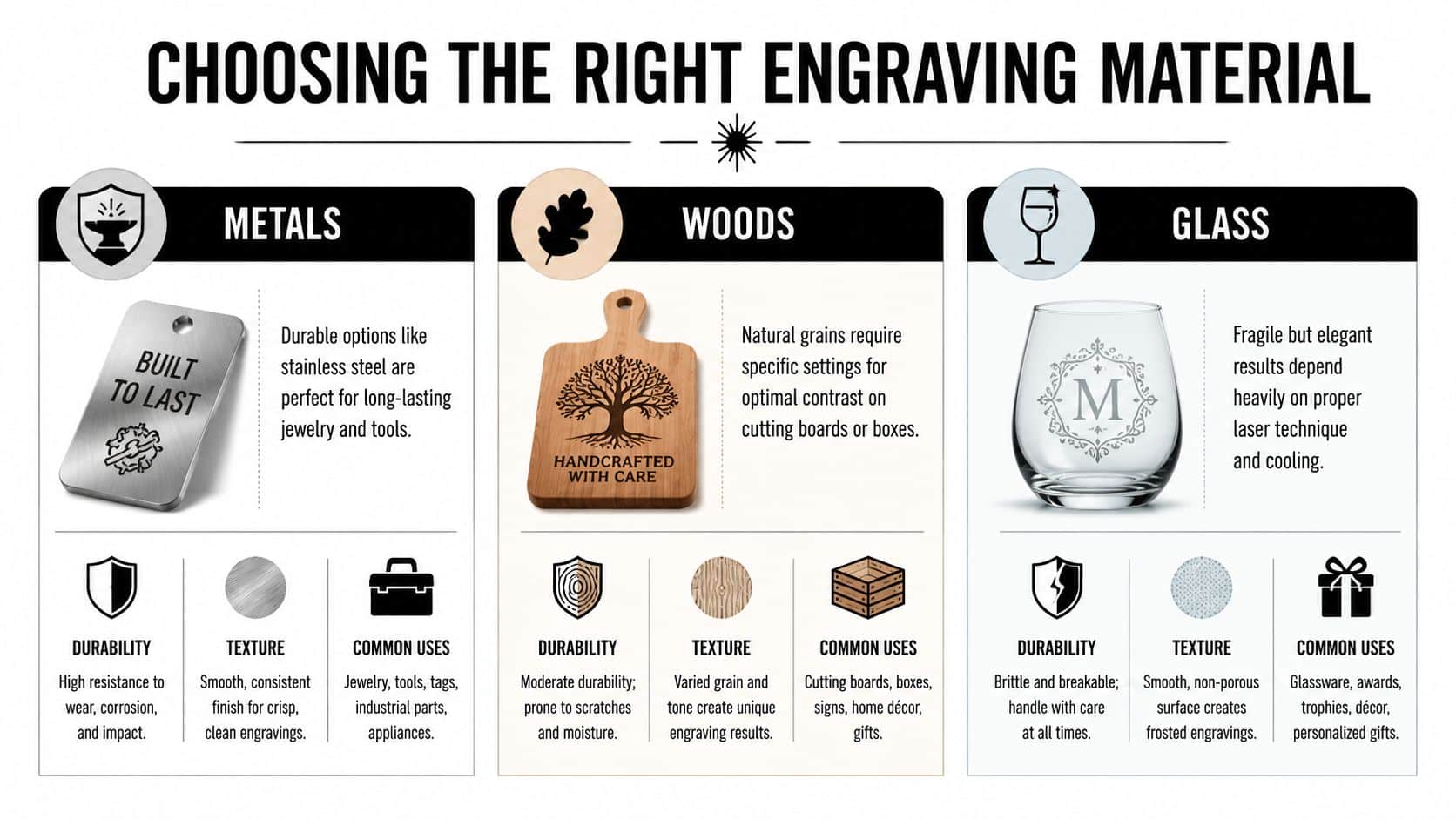
Material choice impacts more than is commonly recognized. It affects contrast, detail, durability, and whether the finished piece looks crisp or disappointing.
Some of the biggest engraving mistakes come from treating every surface the same. They aren’t. As noted in this guide to engraving choices, wood can char if power exceeds 40-60%, certain metals need special marking sprays for dark contrast, and Etsy trend data cited there shows 25% higher returns for engraved gifts due to quality issues tied to material and execution.
Start with the use, not the object
A gift that sits on a shelf can prioritize appearance. A gift that gets handled every day needs durability first.
For example, a decorative glass item may look elegant for an anniversary or award. A metal tag, tool, keychain, or bottle opener is often the smarter choice for daily use. A wood cutting board can be beautiful and warm, but it also brings grain variation, color variation, and placement decisions that affect legibility. If you’re considering a kitchen gift, engraved cutting boards with a family name are a useful example of how the message and material have to work together.
How common materials compare
| Material | Best for | What it looks like | Main trade-off |
|---|---|---|---|
| Wood | Cutting boards, keepsake boxes, décor | Warm, natural, rustic or classic | Grain can affect contrast and consistency |
| Metal | Tags, tumblers, tools, pens, corporate gifts | Sharp, durable, professional | Some finishes need special prep for dark marking |
| Glass | Awards, drinkware, display pieces | Clean, elegant, light-catching | More fragile and less forgiving in shipping |
| Acrylic | Signs, desk pieces, modern gifts | Crisp, contemporary | Surface quality matters a lot |
| Leather | Wallets, journals, accessories | Soft, upscale, personal | Texture can vary across the item |
What works best in real orders
Wood does well with bold names, initials, recipes, or simple graphics. Tiny text can disappear into the grain, especially on darker boards or heavily patterned surfaces.
Metal is usually the safer choice when customers want precise logos, serial information, or a clean corporate look. It handles handling better, and it tends to give a more controlled final appearance.
Glass can be excellent for presentation pieces, but it needs smarter packaging. If the gift will be shipped after engraving, the packaging plan matters almost as much as the engraving itself.
If you want the message to survive years of handling, choose the material for the job first and the style second.
A local engraver can often save a project by steering you away from a surface that looks good online but behaves poorly in production. That advice is worth listening to, especially when the item has sentimental value or a deadline attached.
Crafting the Perfect Message and Design
The physical gift gets attention first. The words are what people remember.
The strongest engraving designs are usually simple. A date, initials, short phrase, house number, family name, or understated logo often looks better than a paragraph. Small surfaces punish long wording fast, especially on curved items like tumblers, pens, and glassware.
Keep the message shorter than you think
Customers often try to fit too much sentiment into too little space. That usually leads to tiny lettering, crowded layouts, or a design that looks better on a screen than on the actual item.
A better approach is to decide what the engraving needs to do:
- Mark ownership with initials, a name, or a monogram.
- Mark a moment with a date, event name, or short dedication.
- Add meaning with a brief quote or phrase.
- Support branding with a logo and concise text.
If the item is small, pick one of those goals and commit to it. Trying to do all four rarely ends well.
Choose fonts that match the item
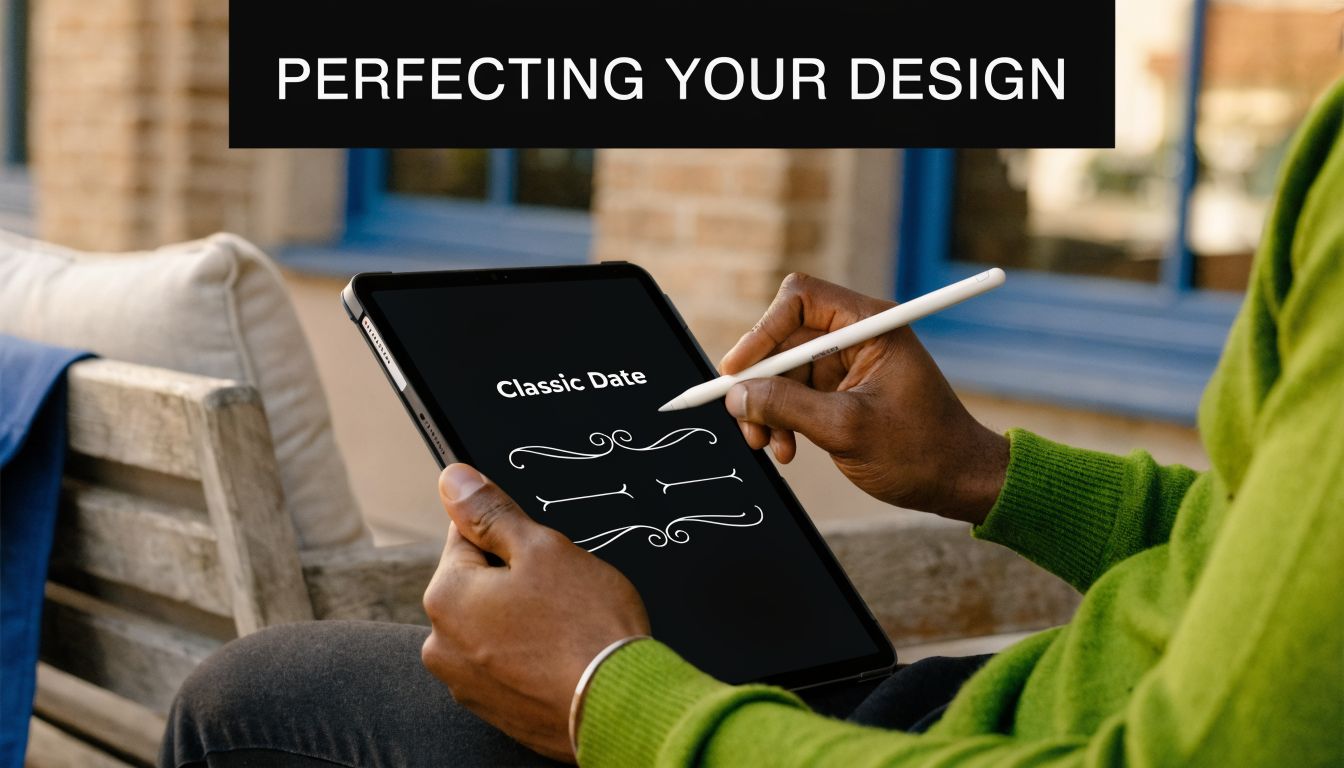
Script fonts can look elegant on wedding gifts, jewelry, and keepsakes. They can also become hard to read if the text is long or the letters are thin.
Sans-serif fonts are usually cleaner for modern gifts, company items, and technical engraving. Serif fonts land in the middle. They can feel formal without becoming overly decorative.
A few practical rules help:
- Use script sparingly for names, short words, or initials.
- Use simple fonts for logos, phone numbers, or functional tags.
- Avoid mixing too many styles on one piece.
- Ask for a proof if the font has thin strokes or unusual flourishes.
Some designs aren’t bad. They’re just too ambitious for the space.
Monograms, icons, and layout
Monograms work best when the engraver knows the style you want. Traditional monograms, stacked monograms, and modern initial sets don’t read the same way. If the order matters to you, spell it out clearly instead of assuming the shop will guess your preferred format.
Simple graphics also help. A clean line icon, family crest, business logo, or understated motif often gives the piece personality without overcrowding it. The key is balance. If the artwork is detailed, shorten the text. If the message is longer, keep the graphic minimal.
For most engraving on gifts, restraint wins. The result feels more polished, and the item is easier to read from arm’s length.
Preparing Your Artwork for Flawless Engraving
Most production delays start with the file, not the machine. Customers send screenshots, social media images, photos of paper sketches, or logos pulled from websites. Sometimes those can be cleaned up. Sometimes they can’t.
A clean file gives the engraver control. A weak file forces guesswork.
Vector files beat screenshots
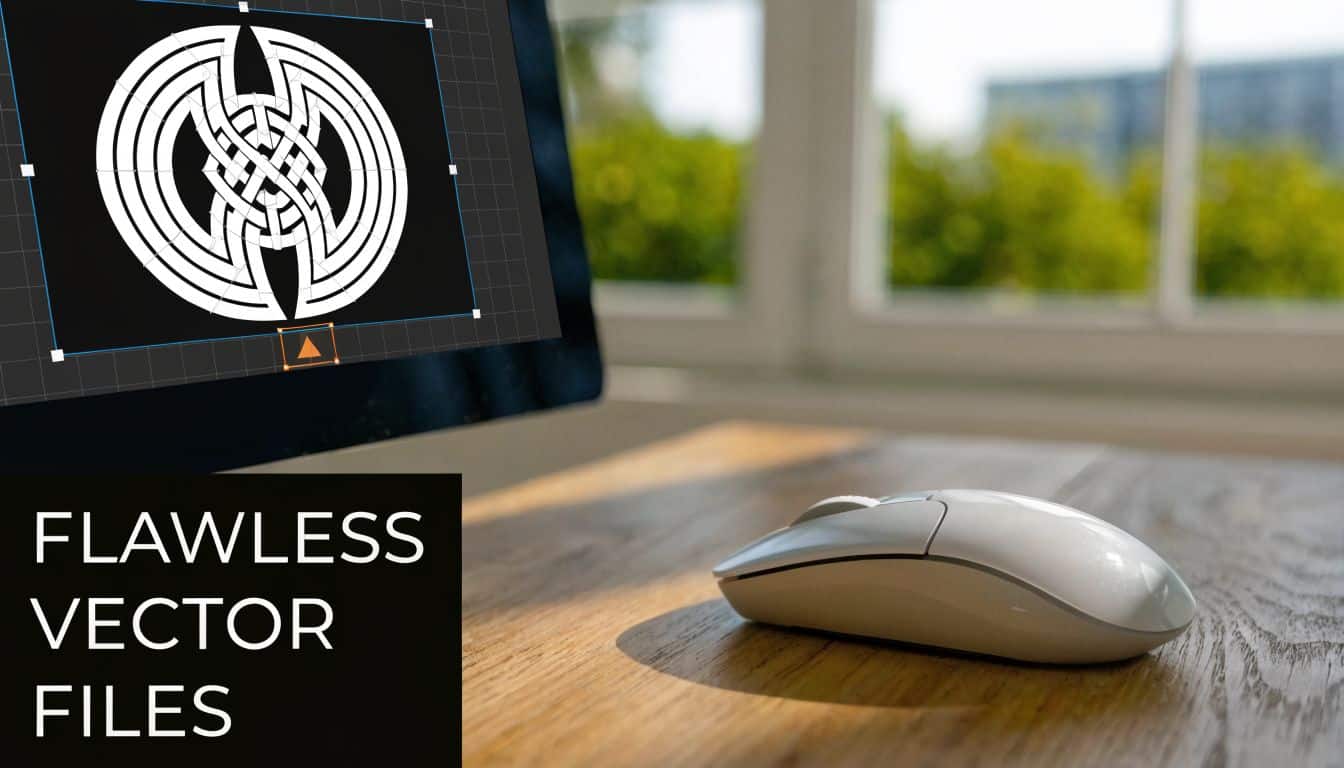
If you have artwork in AI, EPS, or SVG, you’re in good shape. Those are vector formats, which means the lines stay clean when resized. That matters for logos, monograms, icons, and any design with crisp edges.
Raster files like JPG and PNG can still work, but only if they’re sharp and high quality. According to laser engraving production guidance, achieving at least 600 DPI is critical for sharp designs. The same source says businesses that skip test engravings on scrap material often see a 15-25% increase in error rates and customer returns, while systematized pre-production checks can reduce scrap rates to under 3% and achieve a 97% first-pass quality rate.
If you need an example of a product where file clarity and line quality matter, engraved metal blank tags in aluminum or stainless steel are a good reference. Small tags don’t leave much room for fuzzy art or crowded text.
What to send with your file
Don’t just attach a file and hope the shop can read your mind. Include the production details.
A useful submission includes:
- The exact wording as you want it engraved, including capitalization.
- Preferred placement such as centered, lower right, vertical, or backside.
- Approximate size of the engraving area if you know it.
- Font preference if text is being created from scratch.
- Reference image showing the look you like.
- Deadline details if the gift is tied to an event or shipment.
A quick sketch on the item photo can help more than a long email.
Why test runs matter
Good engraving shops test. That’s not hesitation. That’s discipline.
Wood species vary. Metal coatings vary. Clear acrylic and frosted acrylic don’t react the same way. Even when the file is perfect, the material still has to be dialed in. That’s why experienced shops verify the material, run test samples, document settings, and confirm resolution before committing to the final piece.
This video gives a useful visual sense of how artwork and machine setup affect results:
If your order matters, don’t be shy about asking whether a proof or test is part of the process. That question usually tells you a lot about how the shop works.
Ordering Locally and What to Expect
Pricing for engraving on gifts isn’t just about the blank item. The actual cost comes from the work wrapped around the burn itself: setup, design cleanup, positioning, masking, finishing, and quality control.
That’s why two items that look similar online can price very differently in a shop. A simple name on a flat metal tag is one kind of job. A curved glass item with custom art and delicate placement is another.
What affects the quote
According to this breakdown of laser engraving business metrics, personalized gift items can often be priced at 5-10 times the base product cost, and sustainable premium services aim for a Unit Gross Margin above 80%. That same source notes that the cost structure has to account for material, direct labor such as design and setup, and machine wear.
In plain terms, your quote usually reflects some mix of these factors:
- Material behavior. Easy materials are faster to process than surfaces that need careful setup.
- Artwork condition. Clean vector art is cheaper to prepare than low-quality files that need rebuilding.
- Engraving area. Larger or more detailed layouts take longer.
- Item shape. Flat surfaces are simpler than curved or irregular ones.
- Finishing and handling. Cleaning, masking removal, gift prep, and packaging all add work.
The fastest jobs are usually the ones where the customer sends usable art, confirms wording clearly, and chooses a material that fits the message.
Why local service helps
A local engraver can catch issues before they become expensive mistakes. You can hold the item, compare fonts, discuss placement, and decide whether the message needs to be shortened. That’s much harder when everything happens through a cart and a comment box.
For customers in Sugar Land, one practical option is Business Mail Boutique LLC’s engraving services, which sit alongside packing, printing, and shipping in the same storefront. That setup is useful when the engraved item also needs a gift box, protective packing, a label, and outbound shipment.
Turnaround, pickup, and shipping
Simple jobs can move quickly when the file is ready and the material is straightforward. More complex jobs take longer because setup matters.
If you need the item shipped after engraving, say that at the start. A fragile glass award and a metal keychain don’t need the same packing plan. Local shops that also handle carrier services can often solve the full chain in one stop: engrave, pack, label, and send.
That convenience matters most for business gifts, event items, and last-minute orders where pickup timing and transit risk are part of the project, not an afterthought.
Aftercare Tips for Your Engraved Gift
An engraved gift doesn’t usually need complicated maintenance. It does need the right kind of care for the material.
Poor cleaning habits can dull the look of the item even when the engraving itself is permanent. A few simple habits keep the piece looking sharp.
Simple care by material
- Wood items should be kept dry and cleaned with a soft cloth. Don’t soak them. If the item is a cutting board or box, follow the normal care routine for that wood product so the surface doesn’t dry out or warp.
- Metal items respond well to gentle wiping with a non-abrasive cloth. Avoid harsh scrubbing compounds around engraved areas, especially on coated finishes.
- Glass gifts should be handled with a lint-free cloth to reduce streaks and fingerprints. Store them where they won’t knock against harder objects.
- Acrylic pieces scratch more easily than people expect. Use a soft microfiber cloth and avoid rough paper towels.
- Leather goods should stay away from excess moisture and be cleaned with products suitable for finished leather.
Treat the item based on the base material first. The engraving will usually outlast rough handling, but the surface around it may not.
If the gift is being packed away between uses, wrap it so the face of the engraving doesn’t rub against zippers, metal hardware, or rough cardboard.
Personalized Gift Ideas That Can Be Laser Engraved
Include:
- Tumblers
- Coffee mugs
- Cutting boards
- Wine glasses
- Wallets
- Pens
- Keychains
- Plaques
- Awards
- Name tags
- Picture frames
- Jewelry boxes
- Bottle openers
Frequently Asked Questions About Gift Engraving
Can I bring my own item to be engraved
Usually, yes, but the shop has to inspect it first. The key question is whether the material is compatible with the engraving method and whether the item can be secured safely during production. Thin coatings, unknown plastics, delicate finishes, and sentimental one-of-a-kind items all require a careful conversation before the job is accepted.
What’s the difference between laser and rotary engraving
Laser engraving uses a focused beam to mark or engrave the surface. It’s excellent for precision, logos, text, and a wide range of materials. Rotary engraving uses a physical cutting tool and is often chosen when a carved effect or deeper mechanical cut is needed on certain substrates. Neither method is “better” in every situation. The right choice depends on the material and the look you want.
How small can the text be
That depends on the material, font, and available space. Simple fonts can go smaller than ornate scripts because the letterforms stay readable. The smartest approach is to send the actual text and item details, then ask the shop what size will still read cleanly on that surface.
Can you engrave customer-supplied items?
Yes, many customer-supplied items can be engraved after inspection.
How long does engraving take?
Many projects are completed within 1–2 business days, and some qualify for same-day service.
Can you engrave logos?
Yes.
What materials can be engraved?
Wood, metal, glass, acrylic, leather, coated tumblers, and many other materials.
Do you offer bulk discounts?
Yes, volume pricing may be available.
Should I ask for a proof
If the order includes a logo, monogram, small text, unusual placement, or a meaningful gift item, yes. A proof is one of the easiest ways to avoid surprises.
If you’re in Sugar Land and want help with engraving on gifts, Business Mail Boutique LLC can help you sort out the practical details before anything goes to production. Bring the item or send the artwork, and the team can help with engraving, print support, packing, and shipping so the finished gift is ready to give or ready to send.

Related posts

Custom Engraved Coffee Mugs and Etched Mugs: A Guide
Custom Engraved Coffee Mugs and Etched Mugs: A Guide
You need a mug fast. Maybe it's a retirement gift for someone who's been drinki...
Engraved Glasses for Wedding: A Practical Guide
Engraved Glasses for Wedding: A Practical Guide
You are likely compiling a list at this moment. Toasting flutes for the head table. ...
Professional Engraving Services in Sugar Land
Engraving near me
Same Day Engraving
You’re probably here because you need something made personal, and you need it to feel intenti...