
- Print Business Cards in Sugar Land – Same Day Service
- Copying Services
- Document Printing, Finishing & Lamination in Sugar Land
- Flyers
- Print Banner in Sugar Land | Same-Day Banner Printing Near Me
- Graphic Design
- Photo Printing
- Postcard Printing
- Document Printing
- EDDM Full Service Postcards
- FotoZoomer Large Format Printing


Find Fingerprint Near Me: Your 2026 Guide
Businessmailboutique, 11645 S. Hwy 6, Sugar land, Texas 77498, United States (US) - Phone: 281-875-0161 Email: info@businessmailboutique.com
Route
You got the email, the hiring portal update, or the licensing checklist. It says you need fingerprints next. So you search for Fingerprint Near Me and get a jumble of results: police departments, private labs, shipping stores, mobile technicians, and pages that all sound similar.
That’s often where individuals lose time. The initial question isn’t where to go. It’s what kind of fingerprinting your agency requires. If you solve that first, the rest gets much easier.
Table of Contents
- Your Guide to Local Fingerprinting in 2026
- LiveScan vs Ink Cards Which Do You Need
- How to Find a Trusted Fingerprinting Provider
- Preparing for a Successful Fingerprint Scan
- The Fingerprinting Process During and After
- Answering Your Top Fingerprinting Questions
Your Guide to Local Fingerprinting in 2026
Most first-time applicants assume fingerprinting still happens mainly at a police building. In many places, that’s no longer how the system works. The shift has moved from manual ink fingerprinting toward Live Scan, a digital method that sends prints electronically through authorized systems. The Arkansas State Police is a clear example. It notes that civil fingerprinting at headquarters is no longer available and directs people instead to an authorized vendor or a LiveScan machine that transmits prints electronically, while people outside Arkansas may still use an FD-258 fingerprint card through the process described on the Arkansas State Police fingerprinting page.
That change explains why a search for Fingerprint Near Me now brings up local service points instead of one central government office. Convenience matters, but accuracy matters more. A nearby provider is only useful if it offers the exact format your application requires.
If you want a quick example of how local intent shapes service decisions, this short read on why local search matters more than ever mirrors what happens with fingerprinting. People aren’t just looking for a business close by. They’re looking for the right service close by.
Practical rule: Don’t book by location alone. Match the fingerprint format to the agency requirement first, then choose the nearest qualified provider.
For employment, licensing, volunteer work, examinations, immigration-related steps, and out-of-state submissions, the requirements can change fast from one agency to the next. One office may need a Live Scan transaction using a specific form or ORI number. Another may require an inked card that you mail yourself.
That’s why the best way to approach Fingerprint Near Me is as a decision process, not a map search.
LiveScan vs Ink Cards Which Do You Need
This is the part that prevents wasted trips.
People often walk into the wrong location because they searched by convenience instead of by requirement. A Live Scan-only center can’t always solve a hard-card request. An ink-card provider may not be able to electronically submit to the state system your agency uses. If you choose the wrong channel, your application can stall or fail.
Start with the reason you need prints
The purpose usually tells you the format.
Live Scan is commonly used when the requesting agency wants fingerprints transmitted electronically to a state or federal system. This is often the faster route when it’s allowed, and some licensing agencies strongly prefer it.
Ink fingerprinting on an FD-258 card is often used when you’re submitting to an out-of-state agency, a federal process that requires a physical card, or any program that specifically instructs you to mail fingerprints.
California’s Board of Nursing offers one of the clearest examples of why sequence matters. It says applicants must submit the license application before fingerprinting, identifies Live Scan as the preferred and quickest method, and notes that hard-card processing adds an additional $49 fee and may take 10 to 14 business days to receive the card, or up to three weeks through the request form process on the California Board of Nursing fingerprint instructions. It also warns that if an applicant uses California Live Scan from outside California, the board won’t receive the results.
That isn’t a minor delay. That’s a full mismatch between the applicant’s action and the agency’s intake process.
If your agency gave you a form, code, ORI number, or fingerprint instruction sheet, use that document as your decision-maker. Don’t rely on a provider’s generic service page to guess for you.
For applicants who know they need a physical card, this page on a hard copy fingerprint card service is a useful example of what to look for when you’re filtering local options.
Live Scan vs. Ink Fingerprinting at a Glance
| Feature | Live Scan Fingerprinting | Ink Fingerprinting (FD-258 Card) |
|---|---|---|
| Submission method | Electronic transmission | Physical fingerprint card |
| Common use | In-state licensing, employment, agency-linked background checks | Out-of-state requests, agency-specific mail-in processes, some federal uses |
| Speed | Usually faster because it transmits electronically | Slower when mailing and manual intake are involved |
| What you need first | Correct application stage, agency form, and often an ORI number or other routing details | Correct card format and mailing instructions |
| Main risk | Wrong routing details or wrong state channel | Smudged prints, wrong card, or mailing to the wrong destination |
| Best fit | Agency gives digital instructions tied to an electronic system | Agency specifically asks for a hard card |
A simple test works well here. If your paperwork says submit electronically, Live Scan request, or names a state-specific digital workflow, look for Live Scan. If it says mail fingerprint card, FD-258, or out-of-state manual submission, look for ink cards.
How to Find a Trusted Fingerprinting Provider
Once you know the format, the search gets narrower and better.
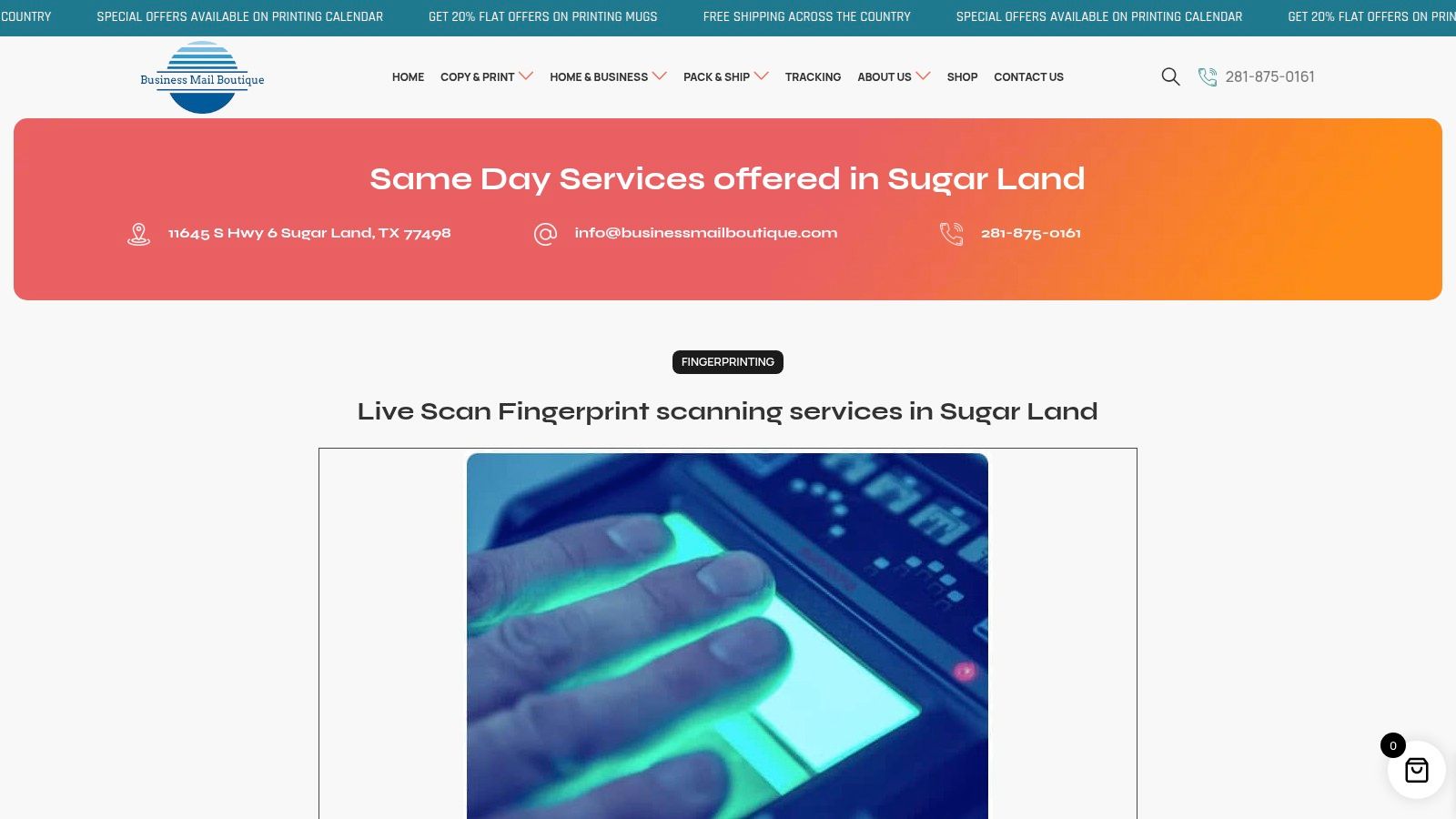
A local search for Fingerprint Near Me usually surfaces three types of providers: private authorized service centers, police departments, and sheriff’s offices. All can be valid. They just operate differently, and the difference matters when you need speed, the right format, or flexible scheduling.
What to check before you leave home
Don’t stop at the provider name. Confirm the service details.
- Match the format: Verify that the location does Live Scan, ink cards, or both.
- Ask about agency requirements: Some jobs or licenses require a specific routing number, form, or pre-enrollment step.
- Confirm scheduling: Some locations take walk-ins. Others won’t.
- Check document rules: Most locations require government-issued photo ID, and some require additional paperwork.
- Ask who sends what: For Live Scan, the technician often submits electronically. For ink cards, you may need to mail the card yourself.
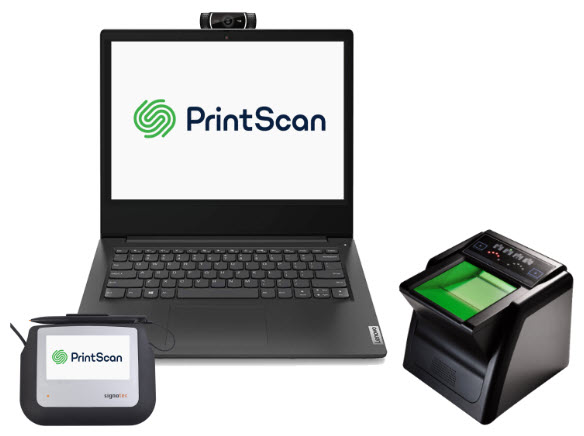
One example of a private option is this PrintScan authorized fingerprinting service center, which shows the kind of information that helps applicants verify service type before they visit. Business Mail Boutique LLC also offers digital fingerprinting and hard copy fingerprint card service at its Sugar Land location.
If you run volunteer programs or manage applicants for a nonprofit, the screening side of the process matters too. This nonprofit volunteer screening guide helps clarify how fingerprinting fits into a broader background-check workflow.
Public offices and private centers work differently
Police departments can be useful, but they often run on rigid schedules. The Kansas City Missouri Police Crime Laboratory, for example, offers fingerprinting for employment, school, professional licensing, or professional exams, requires appointment-only scheduling during weekday hours from 8:30 a.m. to 2:30 p.m., and charges $26 per card effective September 1, 2025, as listed on the Kansas City Police fingerprinting page.
That kind of public-service model works well if the timing fits your day and you only need a standard card. It works less well if you need evening flexibility, walk-in access, or help sorting through multiple agency requirements.
Private centers tend to be easier for applicants who want one stop for fingerprinting plus related tasks like printing forms, copying IDs, passport photos, notarization, or shipping completed documents. That doesn’t make them automatically right for every case. It just means they often solve more of the surrounding logistics.
This quick visual gives a basic look at how digital capture works in practice.
A trusted provider doesn’t just take prints. The staff should ask enough questions to make sure you’re using the right submission path before your fingers ever touch the scanner.
Preparing for a Successful Fingerprint Scan
A good appointment starts before you walk in.
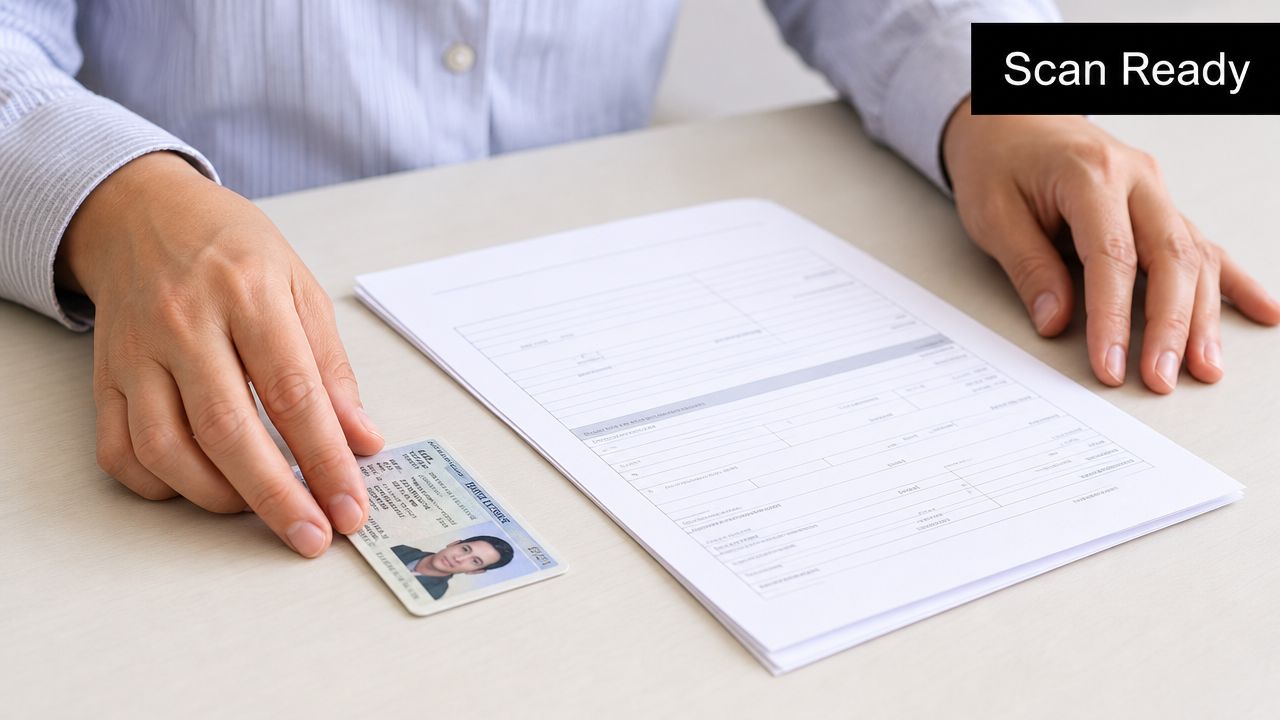
The biggest preventable mistake is showing up without the paperwork or routing details the technician needs. If your agency uses Live Scan, that usually means a request form, agency number, ORI number, or pre-enrollment confirmation. Without that information, a technician may not be able to submit your prints to the right destination.
Bring the right information first
The order matters as much as the documents.
The California Board of Nursing is a strong example of this rule. It requires applicants to submit the license application before fingerprinting and strongly prefers Live Scan. The same guidance makes clear that using a hard card can add cost and time, which is why applicants should complete the main application and gather the exact instructions first, as shown in the earlier linked nursing board guidance.
Use this checklist before you leave:
- Photo ID: Bring a current government-issued ID such as a driver’s license or passport.
- Agency paperwork: Bring the form, request sheet, or instructions from the employer, board, or agency.
- Routing details: If your form includes an ORI number or similar code, make sure it’s readable.
- Payment plan: Confirm whether the provider takes card, cash, or online prepayment.
- Mailing instructions: If you need ink cards, know whether you’re mailing them or whether another party will.
Common mistake: People search Fingerprint Near Me, choose the closest provider, and only then read the agency instructions. Reverse that order.
Prepare your hands for a cleaner capture
Fingerprints aren’t only about equipment. They’re also about skin condition and ridge clarity.
Research on fingerprint quality shows that capture success depends heavily on wear, clarity, and image quality. In one comparative study, traditional impressions reached 97.8% authentication success on unworn fingerprints, but performance dropped sharply as wear increased. After 30 rounds of finger polishing, the molded-impression method fell to a 24.4% minimum and only 35.6% maximum success. Optimized 3D-printed backup fingerprints showed better resilience in some worn-fingerprint scenarios, including a best result of 91.1%, while some untreated image approaches stayed below 30%, according to the fingerprint quality study available through PMC.
You don’t need to remember the technical details. The practical lesson is simpler:
- Keep hands clean: Dirt and residue reduce capture quality.
- Avoid fresh lotion right before scanning: It can create glare or slip on the platen.
- Don’t overuse hand sanitizer immediately before the appointment: Residue can interfere with the scan.
- Hydrate beforehand: If your hands are very dry, better skin condition can help ridge detail show more clearly.
- Mention worn fingerprints early: Nurses, mechanics, construction workers, caregivers, and others with heavy hand use should tell the technician upfront.
If your ridges are faint, a careful technician may adjust pressure, recapture individual fingers, or use techniques to improve contrast. That’s normal. It’s better to spend a few extra minutes at the counter than deal with a rejected submission later.
The Fingerprinting Process During and After
The appointment itself is usually straightforward. Most of the stress comes from not knowing what the technician is doing or what happens after you leave.
What happens at the counter
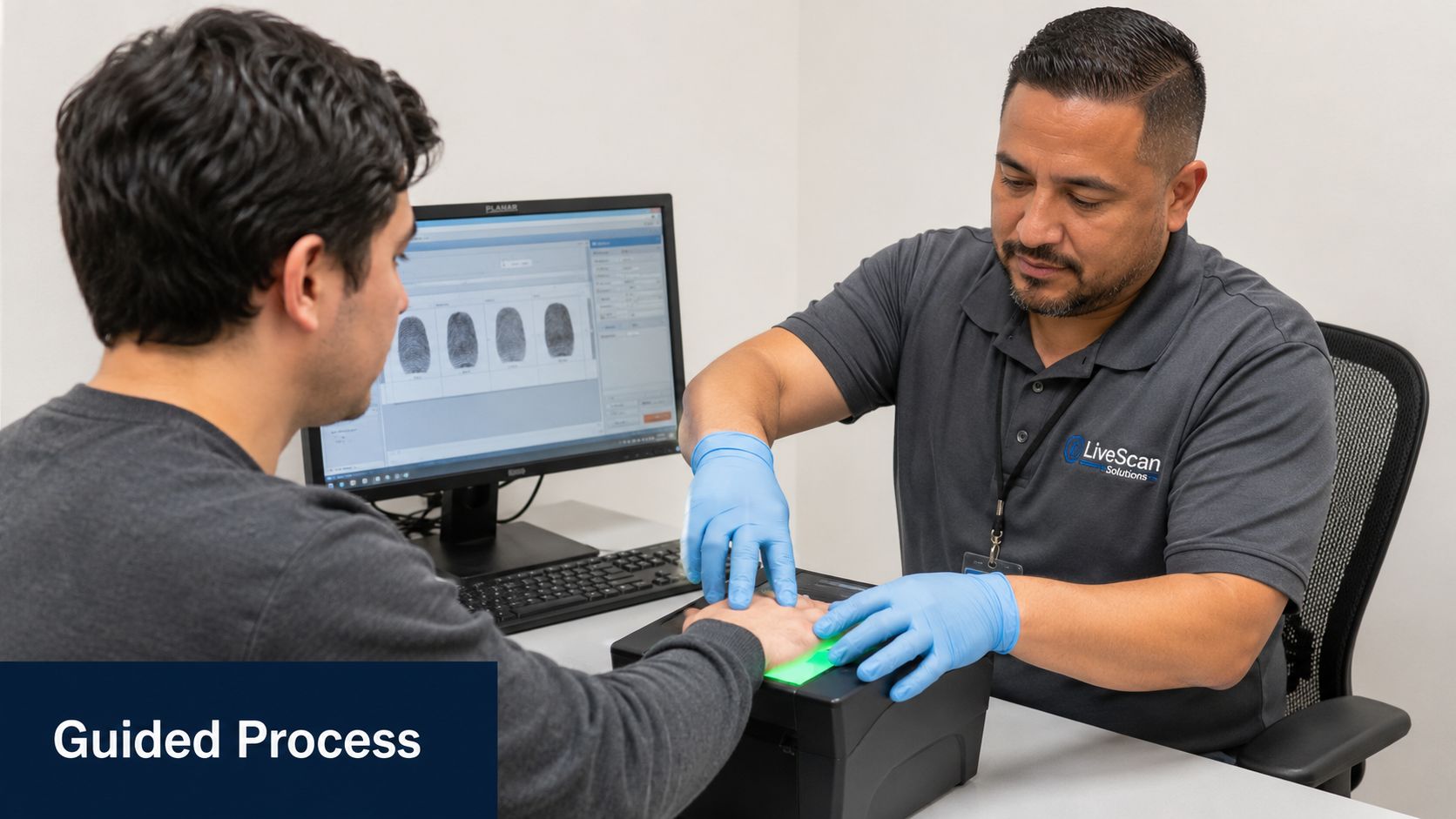
First, the technician checks your ID and your paperwork. If you’re doing Live Scan, they’ll confirm the agency details and pull up the transaction in the system. If you’re doing ink cards, they’ll verify the correct card type and biographical information before printing begins.
Then each finger is captured in sequence. For digital scanning, the technician places your fingers on the scanner and may roll individual fingers to get a fuller image. For ink cards, the process is more manual, with careful rolling onto the card to avoid smudging or partial impressions.
The process can move quickly when the paperwork is correct. It can slow down when the technician sees poor image quality. That’s not a problem. It’s a sign they’re paying attention.
The quality of the captured image matters more than speed. A retake at the counter is easier than a rejection after submission.
What happens after submission
With Live Scan, the technician typically submits your fingerprints electronically during the appointment. You’ll usually leave with a receipt or transaction record. The results generally go to the requesting agency, not to you.
With ink cards, you usually leave with the completed FD-258 card in hand. In many cases, you’ll be the one responsible for mailing it to the agency, board, or processing center.
Reliable technicians often recapture prints more than once when needed because image quality is the main defense against rejections. The fingerprint quality research cited earlier shows that worn ridges and dry skin can sharply reduce capture success, which is why trained staff watch the image closely and re-roll when necessary.
If you don’t hear back right away after the appointment, that doesn’t automatically mean there’s a problem. In most cases, your next update comes from the employer, licensing board, or agency reviewing your background check.
Answering Your Top Fingerprinting Questions
Can I just walk into any place that offers fingerprinting?
Not safely. Some locations only do Live Scan. Others only do ink cards. Some handle very specific agency workflows. Always verify the format and required paperwork first.
What if my fingerprints are hard to capture?
Tell the technician before the scan starts. Dry skin, worn ridges, and heavy hand use can all affect quality. A careful operator can often improve the result through repeat capture and technique adjustments.
Do I get the background check results myself?
Usually not for Live Scan. In many workflows, the results go straight to the requesting agency. With ink cards, you may only handle the mailing step, not the review outcome.
Can employers use fingerprinting as part of broader screening?
Yes, depending on the role and the governing rules for that industry or jurisdiction. For HR teams trying to understand how fingerprinting fits into hiring due diligence, this guide for employers on criminal record checks gives helpful context.
Should I choose the cheapest provider?
Only if that provider handles the correct format and submission path. The wrong appointment costs more in time than a modest price difference ever will.
If you need digital fingerprinting or hard copy fingerprint cards in Sugar Land, Business Mail Boutique LLC is one local option to consider. The store also handles related errands that often come up during application workflows, including printing, shipping, notary services, passport photos, and document finishing, which can make the process easier when you need more than just the scan itself.

Related posts
ATF Form 23 Fingerprinting
ATF Form 23 Fingerprinting.
Learn how to complete ATF Form 23 fingerprinting with FD-258 cards, find local providers, and avoid common...

PrintScan Sugar Land Location of Business Mail Boutique
PrintScan Sugar Land Location of Business Mail Boutique
If you need the printscan sugar land location of business mail boutique, the l...
Get Fingerprinting for the board of Nursing in Sugar Land
Are you seeking fingerprinting services for the Board of Nursing in the Sugar Land area? Look no further than Business Mail Boutique, s...